Best Smart Home Devices UK 2026 — Complete Starter Guide
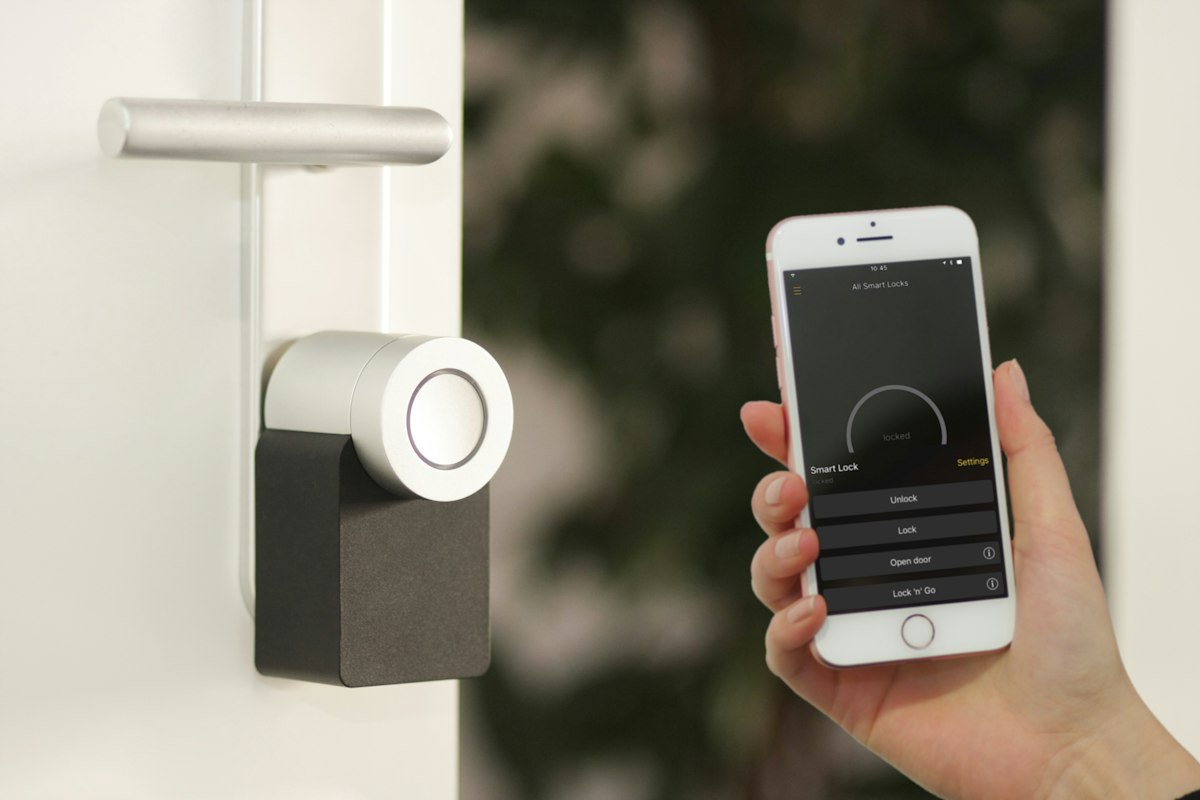
Quick Answer: The best UK smart home starter setup in 2026 is an Amazon Echo (£35–55) plus a pack of smart bulbs (£30–50) plus a smart plug (£15). For energy savings, the Nest Learning Thermostat (£219) saves approximately 15% on heating bills — meaningful given UK energy costs. Matter compatibility means devices from different brands now work together seamlessly.
Smart home technology has crossed a critical threshold in 2026. The Matter standard — a universal connectivity protocol backed by Apple, Google, Amazon, and Samsung — means devices from different manufacturers now genuinely work together without the frustration of incompatible ecosystems that plagued early smart home adopters. AI assistants have become genuinely autonomous: Alexa, Google Assistant, and Siri can now proactively control your home environment based on learned patterns, not just respond to explicit commands.
Why This Matters in the UK in 2026
Several factors make 2026 a particularly compelling year to build a UK smart home:
- UK energy costs remain elevated following the energy crisis, making smart thermostats that can save 15% on heating bills economically significant. At current UK energy prices, a Nest Learning Thermostat pays for itself within 1–2 years for most households.
- Matter is now mainstream — the universal smart home standard means you are no longer locked into a single ecosystem. A Matter-compatible smart bulb bought today works with Alexa, Google Home, and Apple HomeKit simultaneously and will continue to work as the standard evolves.
- Smart meters are rolling out mandatorily across the UK, enabling real-time energy consumption data that smart home systems can use to optimise usage automatically.
- AI assistants are proactively autonomous in 2026 — your Echo or Nest can adjust lighting based on time of day, turn off appliances you have left on, and pre-heat the home based on your calendar — without requiring explicit voice commands.
- 5G home broadband from EE and Vodafone (delivering 100–300Mbps from mobile masts) provides a reliable connectivity backup for smart home systems if your main broadband fails.
Smart Home Starter Kit by Budget
| Budget | Essential Devices | Estimated Cost | Ecosystem |
|---|---|---|---|
| £100 | Amazon Echo Dot + 2 smart bulbs + smart plug | £95 | Amazon Alexa |
| £250 | Amazon Echo + smart bulb starter pack + video doorbell | £245 | Amazon Alexa |
| £500 | Echo + full room smart lighting + Nest thermostat + video doorbell | £490 | Mixed / Matter |
| £1,000+ | Full smart home: lighting, heating, security cameras, smart locks, EV charger integration | £900–1,500 | Matter across all |
The Three Ecosystems — Amazon Alexa vs Google Home vs Apple HomeKit
Before buying any smart home device, choose your primary ecosystem. Your choice determines which smart speaker sits at the centre of your setup, which app controls everything, and which AI assistant you talk to.
Amazon Alexa — Largest Device Range
Amazon Echo and Alexa have the largest installed base in UK homes and the widest compatibility with third-party smart home devices. The Amazon Echo range covers every room and use case:
- Echo Dot (5th gen, £35): Compact, bedroom or kitchen, good speaker
- Echo (4th gen, £55): Best all-round home speaker
- Echo Show 8 (£130): Screen for video calls, recipes, smart home dashboards
- Echo Show 10 (£230): Motorised screen that tracks you around the room
Alexa’s strengths in 2026: Widest third-party device compatibility, most mature UK-specific features (Alexa can read train times, check council waste collection days, and control UK-specific smart home brands), strongest skills ecosystem, best for households who shop with Amazon Prime.
Alexa’s weaknesses: Amazon processes voice data through its cloud servers — more privacy-conscious users may prefer Apple HomeKit’s local processing approach.
Google Nest — Best for Google Users
Google Nest integrates deeply with Google’s services — Gmail, Calendar, Google Maps, and YouTube. If your household uses Google Workspace, Android phones, and Chromecast, Google’s ecosystem provides the most coherent connected experience.
- Nest Mini (£49): Budget smart speaker
- Nest Audio (£89): Better sound quality
- Nest Hub (£69): Entry smart display
- Nest Hub Max (£219): Large display with built-in camera for video calls
Google’s standout UK feature: Google Assistant’s integration with Google Search means it answers complex factual questions more accurately than Alexa. For households where the smart speaker doubles as a research tool, this matters.
Apple HomeKit — Best for iPhone Users and Privacy
Apple HomeKit has historically been the most restrictive smart home ecosystem — requiring Apple’s specific HomeKit certification from device manufacturers. Matter has largely resolved this: any Matter-compatible device works with HomeKit regardless of whether it carries the HomeKit badge.
Apple’s key differentiator is privacy: HomeKit processes home data locally on a HomePod or Apple TV acting as a home hub, rather than sending it to cloud servers. For privacy-conscious UK users, particularly post-UK GDPR awareness, this is a genuine advantage.
- HomePod mini (£99): The HomeKit hub and smart speaker
- HomePod (2nd gen, £299): Premium sound, home hub
- Apple TV 4K (£149): Doubles as HomeKit hub with Siri integration
HomeKit’s weakness: Historically fewer compatible devices at lower price points. Matter has significantly reduced this gap in 2026.
The Matter Standard — Why It Changes Everything
Matter is the smart home industry’s most important development in years. Backed by every major ecosystem player — Amazon, Google, Apple, Samsung SmartThings — Matter is a universal language that smart home devices speak regardless of brand.
What Matter means practically:
- A Matter-certified smart bulb works with Alexa, Google Home, HomeKit, and SmartThings simultaneously — you do not have to choose one ecosystem
- Setup is dramatically simpler — scan a QR code once, the device appears in all your smart home apps automatically
- Local processing: Matter devices communicate directly on your home network, not through the cloud — faster response times and works even during internet outages
- Future-proof: Matter is the long-term standard; devices bought today will not become obsolete when ecosystems evolve
The practical advice for 2026: When buying smart home devices, look for the Matter logo. You pay a small premium but gain permanent flexibility across ecosystems.
Smart Bulbs — The Entry Point for Every UK Home
Smart bulbs are the easiest and most impactful smart home upgrade for most UK households. Replace standard bulbs, connect to your Wi-Fi, and control lighting from your phone or voice assistant — no hub required for most modern smart bulbs.
Philips Hue (from £14/bulb): The premium standard. Excellent colour accuracy, a mature app with automations, and the widest range of lamp types including outdoor lights, under-cabinet strips, and decorative options. The Philips Hue Bridge (£49) unlocks remote access and advanced automations — worth buying when you have 5+ Hue bulbs.
IKEA Trådfri (from £8/bulb): Exceptional value, good quality, Matter-compatible. IKEA’s smart home range has improved dramatically and now offers serious competition to Philips Hue at roughly half the price.
Amazon Smart Bulb (from £9/bulb): Built for Alexa, straightforward setup, no hub required. Limited colour options compared to Philips Hue but excellent value for white-only or white/warm white lighting.
TP-Link Tapo Smart Bulb (from £7/bulb): Budget-friendly with surprisingly capable app. Works with Alexa, Google, and HomeKit. Good choice for large homes where equipping every room with Philips Hue would be prohibitively expensive.
Smart Thermostats — The Biggest UK Energy Saving Device
With UK energy bills remaining significantly above pre-2022 levels, a smart thermostat is the smart home device with the clearest financial return.
Nest Learning Thermostat (£219)
The Nest Learning Thermostat is the market leader and the most comprehensively recommended device in UK smart home guides. It learns your schedule over the first week by observing when you turn the heating up and down, then creates an automatic schedule that matches your actual lifestyle without any manual programming.
Nest’s UK-specific energy features:
- Home/Away Assist: Uses your phone’s location to detect when the house is empty and turns heating down automatically — significant savings for households with irregular schedules
- Eco Temperatures: Sets energy-saving temperatures when the home is unoccupied
- Energy History: Shows exactly how much energy your heating is using each day — valuable for understanding the impact of behavioural changes
- Seasonal Savings: Gradually shifts your schedule to save energy while maintaining comfort
The manufacturer claims average savings of approximately 15% on heating bills. At current UK gas prices, for a household spending £1,200/year on gas heating, that represents a saving of £180/year — recouping the Nest’s cost within 14 months.
Installation: The Nest thermostat requires a neutral wire in most UK systems — check compatibility at nest.com/uk/support before purchasing. Professional installation costs £80–120 from a Gas Safe registered engineer if needed.
Hive Heating (£179)
Hive, owned by British Gas, has become the UK’s most popular smart heating system specifically because of its UK focus. Unlike Nest (originally American), Hive was designed for UK combi boiler systems from the ground up. The Hive system includes a wireless receiver for your boiler, meaning installation does not require a neutral wire and is more straightforward for most UK homes.
The Hive app is polished, the compatibility with UK combi boilers is excellent, and British Gas installation packages are widely available. For UK homeowners who want a smart thermostat without the installation complexity concerns of Nest, Hive is the most accessible option.
Video Doorbells — See Who Is at Your Door From Anywhere
Video doorbells have become one of the most popular UK smart home devices, particularly in urban areas where parcel delivery and front-door security are priorities.
Ring Video Doorbell (from £49)
Ring, owned by Amazon, has the largest installed base in the UK. Battery-powered options mean no wiring is required — installation takes minutes. Wired options provide continuous power without battery management.
Ring’s subscription service (Ring Protect, from £2.49/month) stores video recordings for 60 days. Without a subscription, the live view works but no recordings are saved. For most UK users wanting to review missed deliveries and entry events, the basic subscription plan is worthwhile.
UK privacy note: Ring doorbells have attracted scrutiny over police data sharing in the US. In the UK, Ring operates under UK GDPR and you have full control over your footage. Disable Neighbours (Ring’s community footage-sharing feature) if privacy is a concern.
Google Nest Doorbell (£179)
The Nest Doorbell integrates deeply with Google Home and uses AI to distinguish between people, packages, animals, and vehicles — reducing irrelevant notifications significantly. The wired version provides continuous recording, and Google Home Aware subscribers (£5/month) get 60-day history.
For Google ecosystem households, the Nest Doorbell’s AI event recognition and tighter Google Home integration make it worth the higher price versus Ring.
Energy Saving With Smart Home — UK Calculations
At UK electricity prices (approximately 24p/kWh in 2026 under the energy price cap) and gas prices (approximately 6p/kWh), smart home savings accumulate meaningfully:
Smart thermostat (Nest): 15% heating bill reduction on £1,200/year gas spend = £180/year saving Smart plugs (turning off standby devices): Average UK home wastes £30–55/year on standby power — smart plugs with schedules can recover most of this Smart lighting (replacing 60W bulbs with smart LED): Smart LEDs use 8–10W versus 60W incandescent — the energy saving is in the bulb technology itself, not the smart features Total annual saving potential: £200–300 for a well-configured smart home — meaningful against elevated UK energy costs
Use our compound interest calculator to calculate the long-term value of reinvesting annual smart home energy savings.
Frequently Asked Questions
1. Which smart home ecosystem should I choose in the UK? If you use iPhone: Apple HomeKit with a HomePod mini as hub. If you use Android and Google services: Google Nest. For the widest device choice and lowest prices: Amazon Alexa. With Matter now mainstream, the choice is less permanent — Matter devices work across all three ecosystems simultaneously.
2. Do smart home devices work without internet? Matter-compatible devices can communicate locally on your home network without internet for basic on/off control. However, voice assistants (Alexa, Google Assistant, Siri) require internet to process commands. Smart thermostats like Nest continue their programmed schedule without internet but cannot be controlled remotely. For core reliability, a stable broadband connection is recommended.
3. Is the Nest Learning Thermostat compatible with my boiler? Most UK combi boilers are compatible, but check the Nest compatibility checker (nest.com/uk/support) before purchasing. The main compatibility issue is the absence of a neutral wire in some UK electrical systems. Hive is generally more compatible with UK combi boiler wiring without modification.
4. Are smart home devices secure? Modern smart home devices from major brands (Amazon, Google, Apple, Philips) use encrypted communications and receive regular security updates. The main risks are weak Wi-Fi network passwords (use WPA3 if your router supports it), unchanged default device passwords, and devices from obscure brands that do not receive security updates. Buy from established brands and keep device firmware updated through their respective apps.
5. What is Matter and do I need it? Matter is the universal smart home standard that allows devices from different brands to work together. You do not specifically need to understand Matter — look for the Matter logo on packaging when buying devices. Matter-compatible devices are simply more flexible and future-proof. By 2026, most new smart home devices from major brands carry Matter certification.
6. Can smart home devices help with UK energy bills? Yes, meaningfully. The Nest Learning Thermostat’s 15% saving claim is supported by independent studies in UK homes. Smart plugs eliminating standby power and smart lighting schedules contribute smaller but cumulative savings. For UK households spending £1,500–2,500 annually on energy, smart home energy management could save £200–400/year — significant given current energy prices.
7. Does a smart doorbell require planning permission in the UK? No — domestic smart doorbells do not require planning permission. However, you should be mindful of UK GDPR: your doorbell camera should not record significant footage of public footpaths or neighbours’ properties without reasonable justification. Pointing the camera at your own door and immediate entrance is standard and unproblematic. Inform neighbours that you have a video doorbell as good practice.
8. Which smart bulbs work with both Alexa and Google? Most Matter-compatible smart bulbs work with both simultaneously. Specifically: IKEA Trådfri, Philips Hue (with latest firmware), TP-Link Tapo, and Amazon Smart Bulbs all work with both Alexa and Google Home. Check for the Matter logo or verify Alexa and Google compatibility in the product listing before purchasing.
9. Is a smart meter the same as a smart home device? No — UK smart meters (SMETS2) are installed by your energy supplier and measure consumption. They are not the same as smart home devices but complement them. Smart meters provide real-time energy data that apps like Google Home and Nest can use to optimise consumption. If you have not had a smart meter installed, contact your energy supplier — they are being rolled out mandatorily across the UK.
10. What is the best smart home starter kit for a UK rental property? Amazon Echo Dot plus smart plugs and smart bulbs — all renter-friendly (no installation required, no permanent modifications). Avoid hardwired video doorbells or smart thermostats in rentals unless the landlord agrees. Battery-powered Ring doorbells work without wiring. Smart bulbs replace existing bulbs and are removed when you leave. Check your tenancy agreement for any restrictions on Wi-Fi-connected devices.
Related Articles
Tags:
Share this article: