Home Insurance in Illinois 2026 — Rates, Coverage & Best Companies
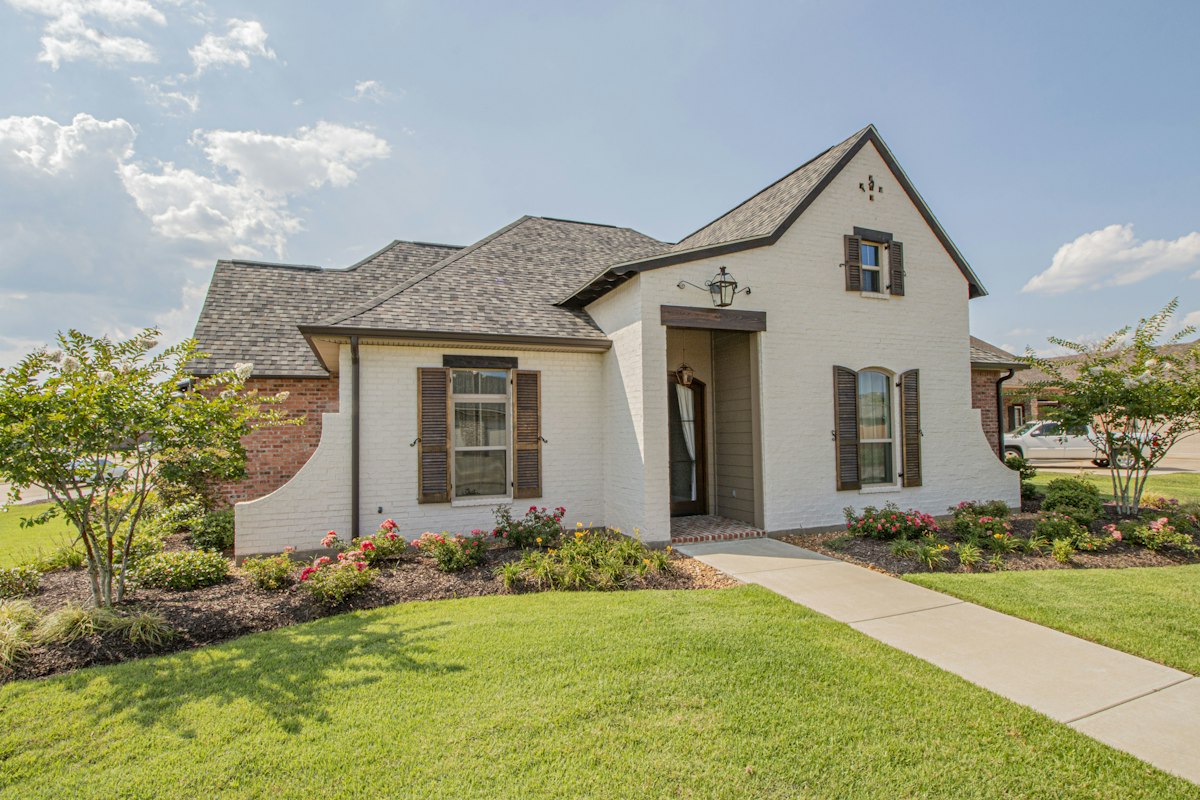
Home Insurance in Illinois 2026
Illinois occupies a unique position in the home insurance world: it’s the state where both State Farm and Allstate — the first and fourth largest home insurers in the US — are headquartered, creating a uniquely competitive domestic market. Yet Illinois homeowners are increasingly frustrated as rates have risen and the 2025 severe storm season generated enormous hail and wind damage claims across Chicago’s suburbs. The state’s geography creates a genuine risk mosaic: tornado exposure in the south, catastrophic hail in the north and central regions, river flooding along the Illinois, Fox, and Des Plaines corridors, and Chicago’s urban property crime concerns. Understanding which risks are relevant to your specific Illinois location is the key to buying smart coverage rather than overpaying for perils that don’t apply.
Quick Answer: Illinois homeowners pay an average of $1,400–$1,700 per year for home insurance — near the national average. The state faces tornado and severe thunderstorm risk statewide, flooding along the Illinois, Fox, and Des Plaines rivers, and Chicago’s urban property crime concerns. Southern Illinois sees the highest storm risk; Chicago’s North Shore sees the highest home values and premiums.
Average Home Insurance Rates in Illinois 2026
Illinois rates vary significantly between Chicago’s expensive suburbs, central agricultural regions, and southern Illinois’s higher storm exposure.
| Coverage Amount | Annual Premium | Monthly Premium |
|---|---|---|
| $100,000 dwelling | $700 | $58 |
| $200,000 dwelling | $1,100 | $92 |
| $300,000 dwelling | $1,550 | $129 |
| $400,000 dwelling | $2,000 | $167 |
| National Average | $1,428 | $119 |
Best Home Insurance Companies in Illinois 2026
| Company | Best For | Avg Annual Rate | Rating |
|---|---|---|---|
| State Farm | Overall (HQ in Bloomington, IL) | $1,350 | A++ |
| Allstate | Chicago suburbs (HQ in Northbrook, IL) | $1,500 | A+ |
| USAA | Military families | $1,250 | A++ |
| Erie Insurance | Midwest coverage | $1,400 | A+ |
| Country Financial | Illinois specialist | $1,450 | A+ |
State Farm is headquartered in Bloomington, IL — and Allstate in Northbrook, IL — making both highly familiar with Illinois risks and regulations. Country Financial is an Illinois-based insurer with a strong downstate presence.
Recent News & 2025-2026 Developments
- The 2025 severe storm season caused significant hail damage in Chicago suburbs, with multiple events producing golf ball to baseball-sized hail across DuPage, Kane, and Lake counties. Carriers processed thousands of roof claims between May and August 2025, and several are now tightening underwriting for older roofs in the Chicago metro hail corridor.
- The Illinois Department of Insurance investigated non-renewal complaints in high-risk areas in 2025, responding to consumer complaints from homeowners in southern Illinois and the Chicago suburban hail corridor who received non-renewal notices. The DOI intervened in several cases where non-renewals appeared to violate state notice requirements.
- NFIP rate changes affected Illinois river communities in 2025 under the Risk Rating 2.0 methodology, with properties along the Fox, Des Plaines, and Illinois rivers seeing significant flood insurance cost changes. Some previously affordable NFIP policies tripled in cost for highly exposed properties.
- Class 4 impact-resistant roofing adoption accelerated in Chicago’s northwestern suburbs, with DuPage and Kane county homeowners reporting 20–30% premium reductions after upgrading from standard asphalt to Class 4 shingles — often recovering the upgrade cost within 4–6 years.
What Does Home Insurance Cover in Illinois?
A standard HO-3 policy in Illinois covers:
- Dwelling coverage — fire, windstorm, hail, explosion, vandalism, and other named perils
- Personal property — furniture, electronics, clothing, and belongings
- Liability protection — injuries on your property and related lawsuits
- Additional living expenses — hotel and food costs during major repairs
- Other structures — detached garages, fences, and sheds
- Tornado damage — covered under windstorm provision
Illinois-Specific Risks & Coverage Needs
Tornadoes: Illinois averages about 55 tornadoes per year. The 1990 Plainfield tornado (F5) and the 2004 Utica tornado caused catastrophic damage. Tornado Alley’s eastern edge includes much of Illinois. Standard policies cover tornado damage.
Severe Thunderstorms and Hail: Illinois experiences significant hail events, particularly in spring and early summer. Large hail is common from Chicago suburbs to the southern part of the state.
River Flooding: Chicago’s Midwest location gives it significant flood risk. The Illinois River and its tributaries flood regularly. Chicago’s own neighborhoods (especially Pilsen, Bridgeport) experience basement flooding. Standard policies exclude flooding — NFIP flood insurance is critical for river-adjacent properties.
Lake Effect and Winter Storms: Chicago’s proximity to Lake Michigan creates heavy lake-effect snow and ice. Frozen pipe bursts, roof collapses, and ice dam damage are covered under standard policies.
Urban Property Crime: Chicago has elevated property crime rates. Ensure your personal property coverage and off-premises theft provisions are adequate.
Illinois State-Specific Discount Programs
- Class 4 Impact-Resistant Roofing (Chicago Suburbs): This is one of the most financially significant discounts in Illinois. In the Chicago suburban hail corridor — DuPage, Kane, Lake, and Will counties — upgrading to Class 4 impact-resistant shingles saves $400–$800 per year at most carriers. The upgrade pays for itself in 4–7 years and dramatically reduces the frequency of hail claims.
- Home Security Discounts: For Chicago area homeowners, monitored home security systems earn 5–15% discounts. Property crime rates in some Chicago neighborhoods and inner suburbs make this a dual-purpose investment — security and savings.
- Bundling Home and Auto: With both State Farm and Allstate headquartered in Illinois, bundling is particularly seamless. Standard savings are 10–20%, and both carriers maintain large Illinois agent networks.
- New Construction Discount: Illinois homes built within the past 10 years under post-2000 building codes typically qualify for 10–15% base rate discounts, reflecting lower likelihood of electrical, plumbing, and structural claims.
- Water Backup Endorsement (Chicago Area): While not a discount, adding a water/sewer backup endorsement ($40–80/year) is strongly recommended for Chicago and suburban homeowners with aging sewer infrastructure — preventing large out-of-pocket expenses from a very common Illinois claim type.
Factors Affecting Rates in Illinois
- Chicago metro vs downstate — Chicago suburbs generally have higher premiums due to home values; southern IL faces higher storm rates
- Proximity to rivers — floodplain properties need separate flood insurance
- Hail exposure zone — central and northern Illinois sees frequent damaging hail
- Older home construction — Chicago has many pre-1960 homes with older wiring and plumbing
- Credit score — significant pricing factor in Illinois
- Home security — Chicago area insurers offer meaningful discounts for alarm systems
Cheapest Cities for Home Insurance in Illinois
| City | Avg Annual Rate | Notes |
|---|---|---|
| Peoria | $1,250 | Central IL, moderate risk |
| Springfield | $1,300 | State capital, inland, moderate risk |
| Champaign | $1,200 | University town, lower crime, moderate risk |
| Decatur | $1,250 | Central IL, agricultural area |
| Rockford | $1,350 | Northern IL, moderate storm risk |
Most Expensive Cities in Illinois
| City | Avg Annual Rate | Reason |
|---|---|---|
| Chicago (North Shore suburbs) | $2,000+ | Very high home values, some flood risk |
| Evanston | $1,800 | Lake Michigan, high values |
| Naperville | $1,700 | Affluent suburb, higher coverage amounts |
How to Save Money on Home Insurance in Illinois
- Bundle home and auto — 10–20% discount with State Farm, Allstate, and others
- Impact-resistant roofing — reduces hail damage risk; discounts available
- Raise your deductible — from $1,000 to $2,500 saves $200–350/year
- Install security system — Chicago area; meaningful discounts
- Maintain good credit — one of the strongest pricing factors in Illinois
- Consider Country Financial or Erie — often more competitive than national carriers for Illinois
- Get a separate flood policy — don’t overpay for flood endorsements
Is Home Insurance Required in Illinois?
Not required by law, but:
- Mortgage lenders require it
- Given Illinois’s tornado, hail, and flooding risks, insurance is essential
- Chicago-area lenders may specifically require flood insurance for properties in flood zones
How to File a Claim in Illinois
- Document damage — photos and video before cleanup
- Emergency repairs — tarp, board, extract water; keep all receipts
- Contact insurer — within 24–48 hours
- Illinois flood claims — file separately with NFIP; track water vs. wind damage carefully
- Illinois Department of Insurance — 312-814-2427 for complaints or disputes
Illinois Insurance Commissioner & Consumer Resources
Director: Dana Popish Severinghaus, Illinois Department of Insurance Phone: 312-814-2427 Website: insurance.illinois.gov Consumer Assistance: The Illinois DOI investigates complaints about improper claim denials, non-renewals, and rate disputes. The 2025 hail season generated a significant volume of consumer complaints, and the DOI actively monitored insurer responsiveness.
The Illinois Department of Insurance maintains an online complaint filing system and consumer service line. The department can investigate improper non-renewals, delayed claim payments, and unfair settlement offers. Illinois law requires insurers to pay undisputed amounts while disputes are being resolved — homeowners should not accept unreasonably low settlement offers without consulting the DOI or an attorney.
Frequently Asked Questions
Q: Why does Illinois have relatively average home insurance rates? A: Despite tornado risk, Illinois’s moderate disaster history, good urban fire services, and competitive insurance market (State Farm and Allstate are both headquartered here) help keep rates near the national average.
Q: Does Illinois home insurance cover tornado damage? A: Yes. Tornado and windstorm damage is covered under standard homeowners policies.
Q: Should I get flood insurance in Illinois? A: Yes if near the Illinois River, Fox River, Des Plaines River, or in Chicago flood-prone neighborhoods. Chicago’s combined sewer system backups are a common flooding issue that requires a water backup endorsement.
Q: What is a water backup endorsement? A: This covers water damage from sewer or drain backup — very relevant for Chicago homeowners whose basements flood from sewer overflows. It’s an affordable add-on ($40–80/year) and highly recommended.
Q: Which Illinois insurer is best? A: State Farm (Bloomington) and Allstate (Northbrook) both know Illinois very well. Country Financial and Erie Insurance are also strong regional choices.
Q: Does Illinois home insurance cover Chicago apartment/condo? A: For condos, you need an HO-6 policy (condo owners insurance) not HO-3. HO-6 covers your unit’s interior and personal property; the condo association’s master policy covers the building exterior.
Q: Is hail a big problem in Illinois? A: Yes. Illinois ranks among the top 10 states for hail frequency and damage. Impact-resistant roofing is a worthwhile investment.
Q: What’s covered after an ice dam in Illinois? A: Water damage caused by ice dams pushing water under shingles and into the home is covered. Preventive measures include attic insulation and ventilation to prevent ice dam formation.
Related Articles
- Auto Insurance in Illinois
- Home Insurance by State 2026
- Best Life Insurance USA 2026
- Mortgage Calculator
This guide was researched and written by the ZappMint Editorial Team, a group of licensed insurance analysts and personal finance writers. Our team monitors state insurance department bulletins, rate filings, and industry reports to keep our guides current. Last verified: April 2026.
Have a question or correction? Contact us at editorial@zappmint.com
Tags:
Share this article: