Home Insurance in Oregon 2026 — Rates, Coverage & Best Companies
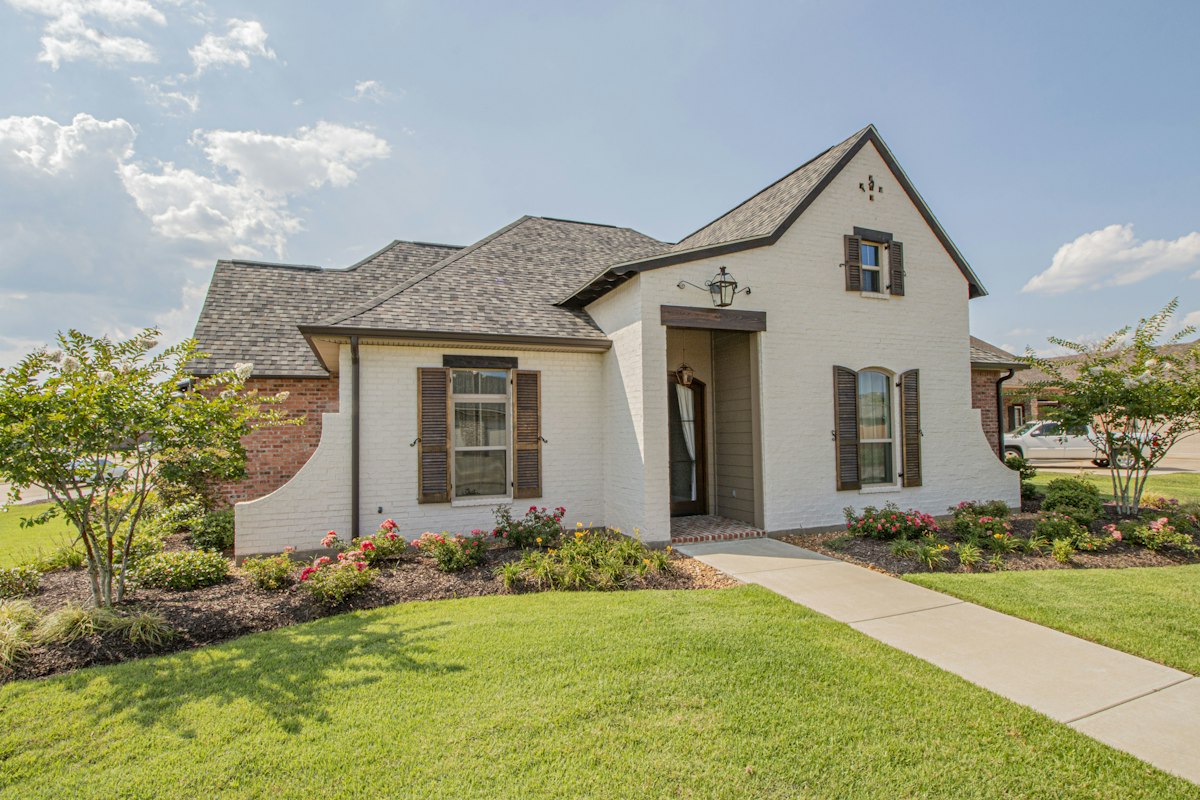
Home Insurance in Oregon 2026
Oregon’s homeowners insurance market tells two very different stories depending on which side of the Cascades you live on. West of the mountains, the Willamette Valley’s mild, wet climate has historically kept insurance rates among the lowest in the nation — Portland homeowners often pay less than half what their counterparts in the South or Midwest pay for equivalent coverage. East of the Cascades, however, the story is shifting rapidly: annual wildfire seasons are starting earlier, burning longer, and encroaching closer to residential communities near Medford, Bend, and Klamath Falls. The 2025 wildfire season’s early start in southern Oregon prompted the Insurance Division to issue consumer alerts about insurer non-renewals in wildland-urban interface zones, a pattern that has accelerated since the catastrophic 2020 Labor Day fires destroyed the towns of Talent and Phoenix. Simultaneously, the Cascadia Subduction Zone earthquake threat — capable of producing a 9.0+ quake and 30–100 foot tsunami waves on the Oregon coast — remains the state’s most catastrophic and least-insured risk.
Quick Answer: Oregon homeowners pay an average of $730–$820 per year for home insurance — well below the national average. Oregon’s mild climate west of the Cascades, low severe weather frequency, and moderate home values keep most rates low. However, eastern Oregon, Cascade foothills wildfire zones, and the Cascadia Subduction Zone earthquake threat are growing concerns.
Average Home Insurance Rates in Oregon 2026
Oregon is among the cheapest states for home insurance, particularly west of the Cascades in the Willamette Valley. Eastern Oregon and wildfire-prone foothills pay more.
| Coverage Amount | Annual Premium | Monthly Premium |
|---|---|---|
| $100,000 dwelling | $365 | $30 |
| $200,000 dwelling | $590 | $49 |
| $300,000 dwelling | $780 | $65 |
| $400,000 dwelling | $1,020 | $85 |
| National Average | $1,428 | $119 |
Best Home Insurance Companies in Oregon 2026
| Company | Best For | Avg Annual Rate | Rating |
|---|---|---|---|
| State Farm | Overall value | $720 | A++ |
| USAA | Military families | $680 | A++ |
| Allstate | Wildfire coverage | $780 | A+ |
| Farmers | Pacific Northwest | $800 | A |
| Oregon Mutual | Oregon specialist | $750 | A |
Oregon Mutual Insurance is a Salem-based mutual insurer serving Oregon and Washington with competitive rates and a strong understanding of Pacific Northwest risks.
Recent News & 2025-2026 Developments
- 2025 wildfire season started early in southern Oregon, with Medford-area communities facing elevated risk in May — earlier than average — prompting the Oregon Insurance Division to issue consumer alerts about reviewing existing policies for wildfire coverage adequacy and checking for potential non-renewal notices.
- OID issued consumer advisories on insurer non-renewals in wildland-urban interface communities across the Rogue Valley and eastern Oregon Cascades foothills, as several carriers cited reinsurance cost increases driven by back-to-back catastrophic wildfire seasons.
- Cascadia Subduction Zone earthquake preparedness entered mainstream insurance conversations in 2025, with the Oregon Division of Financial Regulation publishing updated consumer guidance on earthquake insurance options following renewed scientific focus on CSZ rupture modeling.
- 2025 homeowners rate increases of 8–15% were approved statewide by the OID for multiple carriers, driven by wildfire reinsurance costs and national rebuilding cost inflation — Oregon’s previously low rates are rising faster than the national average.
What Does Home Insurance Cover in Oregon?
A standard HO-3 policy in Oregon covers:
- Dwelling coverage — fire, wind, vandalism, theft, and other named perils
- Personal property — electronics, clothing, tools, and belongings
- Liability protection — injuries on your property
- Additional living expenses — hotel and meals during covered losses
- Other structures — garages, sheds, and fences
- Wildfire damage — fire and smoke covered under standard policies
Oregon-Specific Risks & Coverage Needs
Wildfire: Oregon has experienced devastating wildfire seasons. The 2020 Labor Day fires burned over 1 million acres — Talent and Phoenix in Jackson County were largely destroyed, and Detroit and Blue River in the Willamette foothills were devastated. Eastern Oregon faces annual wildfire risk. Standard policies cover fire and smoke damage, but WUI properties are increasingly difficult to insure.
Cascadia Subduction Zone Earthquake: This is Oregon’s greatest existential risk. The Cascadia Subduction Zone off the Pacific Coast could produce a magnitude 9+ earthquake and 30–100 foot tsunami waves. A full Cascadia rupture would be the most catastrophic natural disaster in modern US history. Standard policies DO NOT cover earthquakes. Earthquake insurance is strongly recommended for all Oregon homeowners.
Flooding: Western Oregon’s heavy rainfall and the Willamette Valley’s flat terrain create spring flooding risk. The Willamette, Rogue, and other rivers flood regularly. Standard policies exclude flooding — NFIP flood insurance is recommended.
Heavy Rain and Wind Storms: Western Oregon receives 35–100+ inches of rain annually. Windstorms from Pacific fronts regularly cause damage in the Willamette Valley and coast. Wind damage is covered; flooding is not.
Tsunami Risk: Oregon’s coast faces significant tsunami risk from both local Cascadia events and distant Pacific earthquakes. Standard policies exclude flooding, including tsunami inundation.
Factors Affecting Rates in Oregon
- Wildfire zone — eastern Oregon, Cascade foothills, and Rogue Valley WUI areas pay the most
- Earthquake exposure — all of Oregon is in earthquake country; earthquake endorsements strongly recommended
- Portland metro — competitive urban market; moderate rates
- Oregon coast — marine storms and tsunami risk
- Home age and type — Portland has many older craftsman homes
- Rural Eastern Oregon — remote areas with limited fire services
Cheapest Cities for Home Insurance in Oregon
| City | Avg Annual Rate | Notes |
|---|---|---|
| Eugene | $700 | Willamette Valley, low risk, good services |
| Salem | $710 | State capital, valley floor, moderate risk |
| Corvallis | $700 | College town, low risk profile |
| Albany | $720 | Willamette Valley, moderate risk |
| Bend | $780 | Central OR, some wildfire near forest |
Most Expensive Cities in Oregon
| City | Avg Annual Rate | Reason |
|---|---|---|
| Medford/Ashland | $1,100 | Rogue Valley, WUI wildfire risk |
| La Grande | $950 | Eastern Oregon, wildfire and remote |
| Brookings | $900 | Southern Oregon coast, wind and erosion |
How to Save Money on Home Insurance in Oregon
- Get earthquake insurance — essential for Cascadia risk; available through specialty carriers and CEA-style programs
- Create defensible space — for Rogue Valley, eastern Oregon, and Cascade foothill homes
- Bundle home and auto — 10–18% savings
- Raise your deductible — from $500 to $1,500 saves $80–150/year (rates are already low)
- Oregon Mutual — local carrier with competitive Oregon rates
- Get NFIP flood insurance — for Willamette Valley and coast properties
- Maintain your roof — Pacific Northwest moss and moss growth can void warranties
Oregon Insurance Commissioner & Consumer Resources
- Director: Andrew Stolfi
- Oregon Insurance Division: 503-947-7980
- Consumer Hotline: 888-877-4894
- Website: insurance.oregon.gov
- File a complaint: Online at dfr.oregon.gov
- Wildfire non-renewal resources: OID maintains specific consumer guidance for homeowners facing coverage non-renewals in WUI zones
The Oregon Insurance Division provides a free insurer complaint lookup tool and publishes market conduct exam results online. Oregon homeowners who receive non-renewal notices from carriers in wildfire-risk zones have specific rights under Oregon law, including advance notice requirements and access to the Oregon FAIR Plan as a last-resort alternative. The Division actively monitors carrier behavior in wildfire-affected communities.
State-Specific Discount Programs
- Wildfire Mitigation Credits: Oregon carriers offer premium reductions for homes that have completed Oregon State Fire Marshal-recognized defensible space clearance programs — particularly impactful in Rogue Valley and Cascade foothill communities.
- Seismic Retrofit Credits: Homeowners who complete recognized earthquake retrofit programs (anchor bolts, cripple wall bracing) earn discounts of 5–15% from specialty earthquake endorsement carriers — more important given the CSZ risk.
- New Construction Discount: Homes built after 2015 meet updated Oregon building codes, including improved seismic standards, and earn meaningful new-home credits at most carriers.
- Security System Discount: Monitored fire and burglar alarm systems earn 5–15% discounts from most Oregon carriers — particularly valuable for Portland area homes.
- Multi-Policy Bundling: Oregon Mutual and Pemco (for auto/home combined) offer 10–18% bundled discounts that consistently outperform national carriers for Oregon-based coverage.
Is Home Insurance Required in Oregon?
Not required by Oregon law, but:
- Mortgage lenders require it
- Given Cascadia earthquake risk, earthquake insurance is strongly advisable
How to File a Claim in Oregon
- Document damage — photos and video before cleanup
- Emergency mitigation — tarp, board; keep all receipts
- Contact insurer — within 24–48 hours
- Oregon Insurance Division — 888-877-4894 for complaints
Frequently Asked Questions
Q: Is home insurance cheap in Oregon? A: Yes — Oregon averages $730–$820/year, well below the national average.
Q: Does Oregon home insurance cover wildfire? A: Yes. Standard policies cover fire and smoke damage. However, carriers are restricting coverage in high-risk WUI areas of eastern Oregon and the Rogue Valley.
Q: What is the Cascadia Subduction Zone and should I buy earthquake insurance? A: The CSZ is a major offshore fault capable of producing a magnitude 9+ earthquake. It last ruptured in 1700. Earthquake insurance is strongly recommended for all Oregon homeowners.
Q: Does Oregon home insurance cover tsunami damage? A: No. Tsunamis flood properties, and flooding is excluded from standard policies. NFIP flood insurance provides tsunami coverage, but coastal property NFIP coverage has significant limitations.
Q: Is flood insurance needed in Oregon? A: Yes for Willamette Valley properties near rivers, and for all coastal Oregon homes. Oregon’s heavy rainfall and spring snowmelt creates significant flooding risk.
Q: What happened in the 2020 Oregon wildfires? A: Labor Day 2020 fires destroyed the towns of Talent and Phoenix near Medford, and devastated Detroit and Blue River in the Willamette foothills. Over 4,000 structures were destroyed.
Q: What is Oregon Mutual Insurance? A: Salem-based mutual insurer serving Oregon and Washington since 1894. Available through independent agents with competitive rates.
Q: Is Portland home insurance expensive? A: No — Portland averages $750–$900/year, moderate for its size. The competitive Willamette Valley market keeps prices reasonable.
Related Articles
- Auto Insurance in Oregon
- Home Insurance by State 2026
- Best Life Insurance USA 2026
- Mortgage Calculator
This guide was researched and written by the ZappMint Editorial Team, a group of licensed insurance analysts and personal finance writers. Our team monitors state insurance department bulletins, rate filings, and industry reports to keep our guides current. Last verified: April 2026.
Have a question or correction? Contact us at editorial@zappmint.com
Tags:
Share this article: